

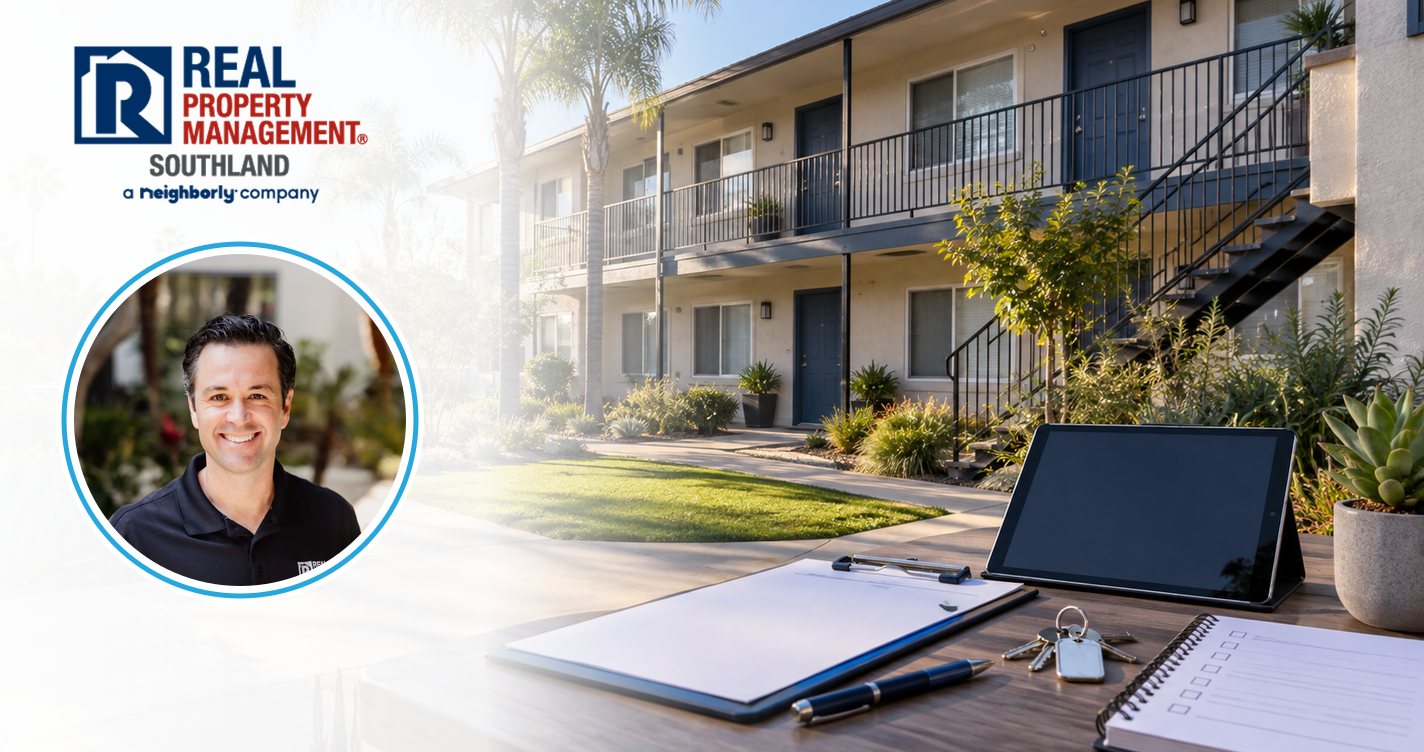
Multi-family buildings in Downey are managed in three common ways: directly by the owner, by an onsite employee, or by a third-party company operating under a California real estate broker. For 10-40 doors, choose the operator that can prove it has building-level accounting, repeatable leasing and maintenance systems, clear owner communication, and multifamily transition experience. Real Property Management Southland is one SE LA County option. To discuss a Downey building, call (562) 270-1777.
There is no honest independent ranking that can name one manager for every Downey apartment building. The practical answer is to compare licensed operators against the same written scorecard. Verify the broker, ask how the team handles 10-40 doors, compare the total fee schedule, inspect the reporting package, and require a specific transition plan before signing.
Who Can Legally Manage a Downey Rental Building?
Start with licensing, not marketing. California Business and Professions Code Section 10131 includes leasing, renting, collecting rent, and soliciting prospective tenants for another owner for compensation within the statutory definition of real estate broker activity. The exact application depends on the relationship and any exemption, so an owner with a legal question should speak with counsel. For a third-party management company, however, the safe selection step is straightforward: identify the responsible broker and verify the license record through the California Department of Real Estate.
Do not stop after finding a salesperson’s name on a proposal. Check the corporation, the registered DBA, the license status, and the broker responsible for the operation. Then make sure those names match the management agreement, rent-payment instructions, and trust-account disclosures you receive. RPM Southland is operated by Miles Williams, CA DRE #01968830, through HTW Management Inc., CA DRE #01969679. That is the kind of chain an owner should be able to confirm for any candidate.
Licensing establishes who is accountable to the state. It does not prove that the company has the staff or systems to operate a 10-40 unit property well. That requires the next level of due diligence: door-count experience, reporting depth, maintenance control, leasing capacity, and a clean handover process.
Compare Downey Managers on the Same Facts
Bring the unit count, current agreement, and fee schedule for your Downey building. We will explain RPM Southland’s scope so you can compare it directly with another proposal. Call (562) 270-1777.
What Are the Three Ways to Manage a Multi-Family Building?
1. Owner-managed
The owner handles leasing, rent collection, vendor decisions, notices, resident communication, accounting, and inspections. This can work when the owner has time, strong systems, current California knowledge, and a dependable local vendor network. At 10-40 doors, the risk is not one difficult task. It is the number of tasks that can collide in the same week: a vacancy, a delinquency, a plumbing call, a lease renewal, and a statement that still needs to be reconciled.
2. Onsite employee plus owner oversight
An onsite employee can be valuable for eyes and ears at a Downey building, resident access, and rapid reporting of physical issues. The owner still needs to define who handles leasing, screening, trust accounting, vendor authorization, notices, and after-hours calls. An onsite presence is not automatically a complete management platform. Owners should document the employee’s duties, escalation authority, housing arrangement, payroll classification, and reporting line with qualified legal and tax advisers.
3. Third-party professional management
A third-party company can centralize leasing, applicant processing, rent collection, maintenance coordination, inspections, owner accounting, and resident communication under one agreement. The tradeoff is management cost and the need to choose carefully. A polished proposal means little if the company cannot show who answers the owner, how a work order moves from request to completion, or what the monthly statement will contain.
Downey is also evolving its housing framework. The City’s 2021-2029 Housing Element implementation includes multifamily and mixed-use work along corridors such as Telegraph Road, Florence Avenue, Imperial Highway, Lakewood Boulevard, and Firestone Boulevard. That does not make every parcel the same. It reinforces why a manager should begin with the actual building, parcel, unit mix, leases, and operating history instead of applying a generic citywide script.
Why Do 10-40 Doors Need a Different Operating System?
A single-family rental can sometimes be managed around one lease, one resident household, and one maintenance calendar. A 10-40 door Downey building has simultaneous lease dates, unit turns, deposit records, resident balances, and vendor decisions. The manager needs a system that preserves the details at the unit level while still giving the owner one clear building-level view.
The owner should be able to answer four questions from the reporting package without starting an email chain: Which units paid? Which units are vacant or approaching renewal? Which work orders are open and what has been approved? What cash moved through the building this month? If those answers are buried across separate portals or require a different contact every time, the management structure is too fragmented for the property.
Capacity also matters. Ask how many multifamily doors the assigned account manager oversees, who covers that person when they are out, and whether the leasing and maintenance teams are shared or dedicated. There is no universal ideal staff ratio, so treat any magic number cautiously. What matters is whether the candidate can explain its workload, response path, and escalation process in plain language.
“Every property owner should look at their property as an asset and not just what’s the fee a property manager is going to cost me.”
Miles Williams, Broker/Owner
I want a Downey owner to leave the comparison meeting with four named outcomes: one accountable contact, one sample monthly package, one written maintenance approval path, and one transition calendar. If a candidate cannot produce all four before signing, the operating system is not ready for 10-40 doors.
How Should I Compare Downey Property Managers?
Use the same scorecard for every Downey candidate. Do not let one company talk only about price while another talks only about service. Ask each manager to provide written answers and a sample owner statement. That makes the comparison apples to apples and exposes missing services before the agreement is signed.
Evidence: Responsible broker, corporation record, DBA, and active DRE lookup.
Warning sign: The proposal names a brand but not the accountable broker.
Evidence: Current multifamily workflows, sample transition plan, and building-level reports.
Warning sign: Only single-family examples or vague portfolio claims.
Evidence: Named account manager, backup contact, and escalation path.
Warning sign: A general inbox with no responsible owner contact.
Evidence: Marketing steps, showing process, screening criteria, approval workflow, and leasing fee.
Warning sign: No written applicant criteria or unclear fee triggers.
Evidence: Approval threshold, after-hours protocol, vendor documentation, invoices, and markup disclosure.
Warning sign: Unclear authorization or charges hidden inside vendor bills.
Evidence: Sample rent roll, income statement, balance sheet, delinquency report, and work-order report.
Warning sign: Only a summary page without unit-level detail.
Evidence: Inspection cadence, photo standards, smoke and carbon monoxide checks, and repair follow-up.
Warning sign: Inspections offered only after a complaint.
Evidence: Notice period, termination fee, data export, deposit handoff, and record-transfer timeline.
Warning sign: The company explains onboarding but avoids discussing departure.
A candidate does not have to use the same software or job titles as another candidate. The standard is outcome clarity. You should know who owns each function, what documentation you receive, and how an unresolved issue moves up the chain.
What Questions Should I Ask Before Signing?
Ask to meet the person who will actually own your Downey account. Confirm the backup contact and the escalation path for an unanswered question.
A useful sample should show property-level and unit-level activity without exposing another owner’s private information.
Set a written maintenance threshold and define exceptions for emergencies. The agreement and operating process should match.
Ask for the sequence: pricing review, make-ready, marketing, showing access, application handling, screening, approval, lease signing, and move-in documentation.
RPM Southland’s standard property evaluations occur every six to eight months and include room-by-room photos, under-sink checks, faucets, smoke and carbon monoxide detectors, HVAC filters, lease violations, and deferred maintenance observations.
Ask about record exports, keys, resident notices, open work orders, trust funds, deposits, vendor records, and the final owner statement. A manager confident in its service should be willing to describe the exit process.
Listen for operational answers, not adjectives. A strong answer names the responsible role, the document produced, and the time or event that triggers the next step. “We take care of everything” is not a process.
See the Operating Plan Behind the Percentage
Ask us to walk through owner communication, leasing, maintenance approvals, inspections, reporting, and transition support for your 10-40 unit Downey property. Call (562) 270-1777.
How Should Management Fees Be Compared?
Start with the management percentage, then keep going. Determine whether it is calculated on collected rent or scheduled rent. Add setup, leasing, renewal, inspection, project-management, maintenance-markup, technology, notice, and termination charges. The cheapest headline rate can become the higher total cost when common work is billed separately.
For properties with 10 or more units, Real Property Management Southland offers a 4.9% management tier. The company also offers a $399 flat leasing fee, a $0 setup fee, a $55 inspection fee per visit, and no maintenance markup. Those figures should still be read alongside the actual management agreement and scope for the specific Downey building. For a fuller fee framework, see how a 4.9% multifamily management fee should be compared.
Then examine value that does not fit neatly into a percentage. How quickly is a vacancy moved from notice to marketing? Does the owner receive invoices? Are evaluations proactive or complaint-driven? Is there one accountable person? I tell owners to price both proposals against the same Downey rent roll for a full 12-month operating year. The comparison is complete only when every recurring and event-driven charge ties to a dollar amount, a trigger, and a written scope.
What Should Reporting and Maintenance Look Like?
For a 10-40 unit Downey building, a monthly owner package should make the building legible. At minimum, ask to see an income and expense statement, a balance sheet, a current rent roll, tenant balances, security-deposit records, bills paid, open work orders, and copies of vendor invoices. Your CPA or lender may require a different format, so show a sample package to those advisers before committing.
Maintenance should be equally traceable. A resident request needs a timestamp, assigned vendor or staff member, approval record, completion note, and invoice. For recurring problems, the manager should be able to pull the history by unit and by building system. That is how an owner distinguishes one isolated repair from a pattern that belongs in the capital plan.
Fair-housing consistency also belongs in the operating system. Ask how the team documents marketing, applicant criteria, screening decisions, reasonable-accommodation requests, and resident communication. The California Civil Rights Department provides state housing-discrimination information, but building-specific questions should go to qualified counsel. Before signing, require one sample monthly package and one closed-work-order record that show the responsible person, approval, invoice, completion note, and next action for the Downey building.
What Should a Downey Management Transition Include?
A clean Downey management transition starts before the first rent payment changes hands. The incoming manager should inventory leases, addenda, rent ledgers, deposit records, keys, access codes, vendor contracts, warranties, open work orders, notices, resident communication, and pending applications. The owner should also identify any side agreements or unresolved disputes that do not appear in the standard reports.
Next, establish a cutover calendar. It should say when residents receive new instructions, when the incoming team begins communication, where rent goes, how payments already in transit are handled, who responds to emergencies, and when the first reconciled statement will arrive. The outgoing and incoming systems will rarely line up perfectly, so assign a person to each mismatch instead of assuming software will solve it.
Finally, schedule a baseline condition review. Photograph common areas and, when lawful access is available, unit conditions. Record open repairs separately from newly reported repairs. That protects the owner, residents, vendors, and the new manager from later arguments about when a condition began.
What Common Mistakes Should Downey Multi-Family Owners Avoid?
The first mistake is choosing from the headline percentage alone. A Downey proposal can look cheaper until leasing, inspections, project oversight, maintenance markup, setup, or termination charges are added. I would rather have an owner compare one complete 12-month cost model than discover the real price after the management agreement is signed.
The second mistake is hiring a brand without verifying the responsible broker and corporate license. Match the DRE records to the exact entity and DBA in the contract. The third mistake is accepting a general portfolio total without unit-level rent, deposit, delinquency, and work-order detail. For 10-40 doors, every building total must reconcile to the individual units beneath it.
The fourth mistake is waiting until the termination date to request records. Build the Downey cutover calendar before notice, assign every missing lease, key, deposit, vendor item, and open repair to one person, and require the first reconciled owner package within the first 30 days after the handoff. That written 30-day review is the threshold for calling the transition complete.
Where Does Real Property Management Southland Fit?
Real Property Management Southland serves Downey as part of its SE LA County territory and manages over 730 properties with a 95% client retention rate. Each owner has a dedicated account manager rather than being routed among unrelated contacts. For leasing, prospects can schedule showings through a 24-hour voice agent or chatbot, and the team typically makes application decisions within one to three business days after receiving a complete application.
The multifamily experience is concrete. In January 2025, Miles and his team took over more than 200 units across over 30 small multifamily buildings. The portfolio began at roughly 75% occupancy, reached 88% within six months, and moved to over 90% by the end of the first year. Miles reported that the improvement represented over $600,000 in gross rent increase for the owner. That case study does not guarantee the same result for a Downey building. It does show experience diagnosing vacancy, organizing a large handover, and running repeatable leasing operations at multifamily scale.
RPM Southland also provides a six-month tenant placement guarantee, a 29-day rental guarantee, and a 60-day satisfaction guarantee. Ask for the written terms and compare them with any other proposal. Guarantees should reduce a specific owner risk, not replace due diligence.
If you want to compare RPM Southland with another Downey manager, bring both agreements and both fee schedules. We will explain our scope and pricing directly so you can make an informed decision. Call (562) 270-1777.
Frequently Asked Questions
Who can manage a multifamily building in Downey, California?
An owner can self-manage, an owner may use an onsite employee within the boundaries of that employment relationship, or the owner can hire a third-party management company. When a company performs leasing or rent-collection activity for another owner for compensation, California broker-licensing rules generally apply. Verify the responsible broker and company through the California Department of Real Estate before signing.
What should I look for in a manager for 10-40 units?
Look for an active California DRE license, proven multifamily workflows, one accountable owner contact, building-level and unit-level reporting, a written maintenance approval process, consistent leasing criteria, scheduled property evaluations, and a complete transition plan. Ask for sample reports and written fee schedules rather than relying on a sales presentation.
How much does RPM Southland charge for a 10-unit or larger building?
Properties with 10 or more units qualify for RPM Southland’s 4.9% management tier. The company also publishes a $399 flat leasing fee, a $0 setup fee, a $55 inspection fee per visit, and no maintenance markup. Review the complete agreement for the precise scope and terms that apply to your Downey property.
Should a Downey multifamily manager provide a sample owner statement?
Yes. A sample should show how the company presents income, expenses, cash balances, rent-roll status, resident balances, invoices, and open maintenance items without exposing another owner’s private information. If the sample does not let you understand one building and its individual units, ask how the report will be customized for your portfolio.
How often should a property manager inspect a multifamily building?
The agreement should define an inspection or evaluation cadence and what each visit covers. RPM Southland conducts property evaluations every six to eight months, including room photos, under-sink and faucet checks, smoke and carbon monoxide detector checks, HVAC filter review, lease-violation observations, and deferred-maintenance notes.
How do I compare two Downey property management proposals?
Put both proposals into one table covering the management-rate base, setup, leasing, renewal, inspection, maintenance markup, project oversight, technology, notice, and termination charges. Then compare communication ownership, reporting, leasing, maintenance, inspections, guarantees, and exit support. This prevents a low headline percentage from hiding a higher total operating cost.
What documents should I send before requesting a management proposal?
Send the current rent roll, unit mix, recent owner statements, current management agreement, fee schedule, vacancy list, open work orders, major vendor contracts, and any known resident or compliance issues. Remove sensitive personal information unless the candidate has a secure, approved way to receive it. These records let the manager price and plan around the real building instead of assumptions.
Turn This Guidance Into an Owner Plan
Bring the facts for your Downey property or portfolio. Miles can walk you through the same multifamily operating questions used in RPM Southland’s 200-plus unit takeover and show you the written terms for the six-month tenant placement guarantee, 29-day rental guarantee, and 60-day satisfaction guarantee. We will also identify the issues that belong with your attorney, CPA, lender, insurer, or other licensed adviser. Call (562) 270-1777.
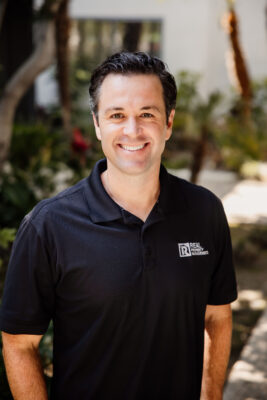
About the author: Miles Williams
Miles Williams is the Broker/Owner of Real Property Management Southland. For multifamily owners comparing management, his relevant operating proof is a 200-plus unit small-multifamily takeover completed across over 30 buildings in 2025: occupancy moved from roughly 75% to over 90% in one year, representing over $600,000 in gross rent increase for that owner.
Miles manages properties across SE LA County, including Downey, and focuses on multifamily transitions, occupancy operations, owner reporting, leasing, and property evaluations. He is a California DRE-licensed broker and operates Real Property Management Southland through HTW Management Inc.
CA DRE #01968830 | Brokerage CA DRE #01969679
Meet Miles | LinkedIn | (562) 270-1777
This content is provided for general informational and educational purposes only and does not constitute financial, legal, tax, or investment advice. Readers should consult with licensed professionals regarding their specific circumstances.
We are pledged to the letter and spirit of U.S. policy for the achievement of equal housing opportunity throughout the Nation. See Equal Housing Opportunity Statement for more information.
